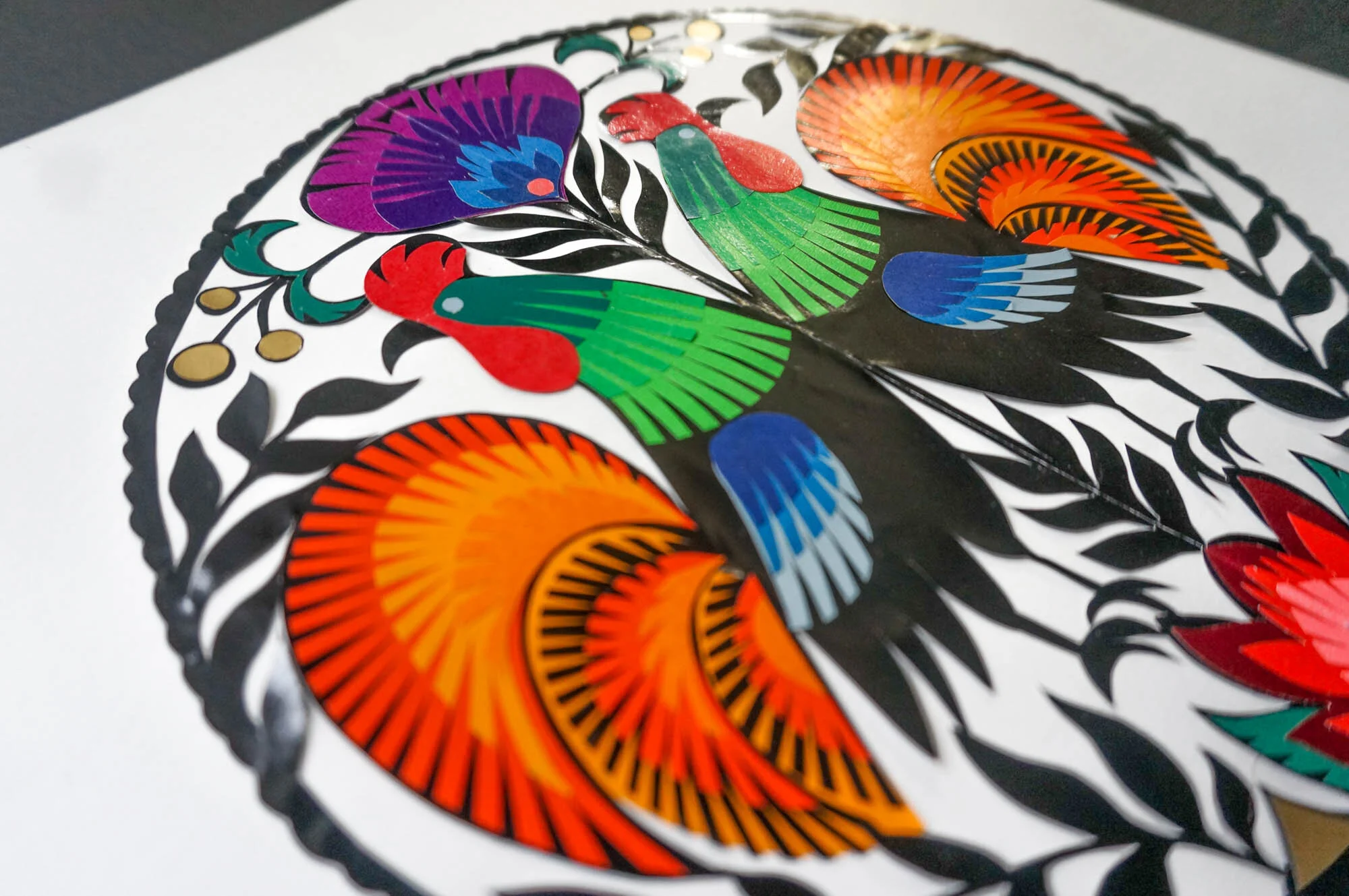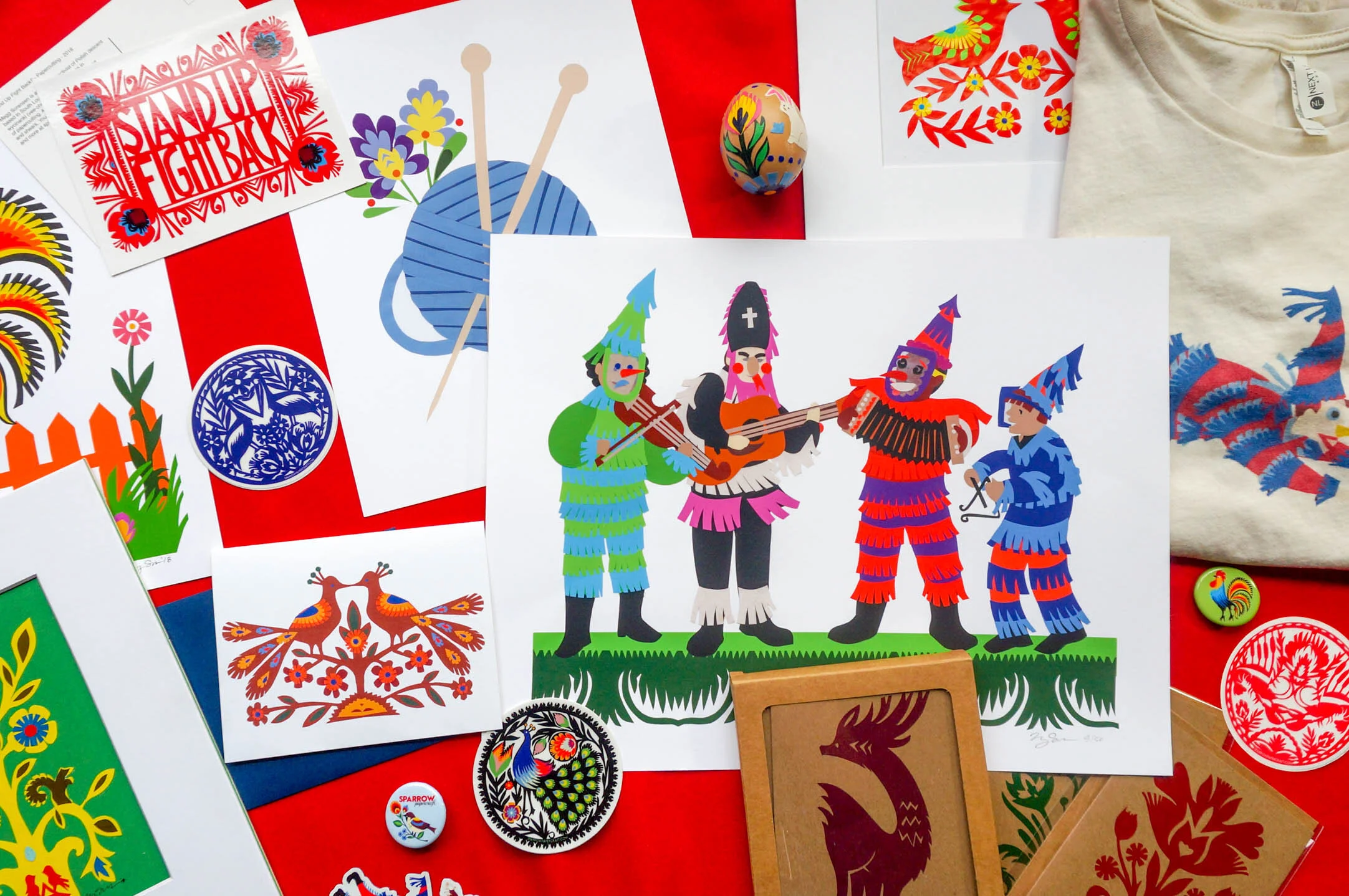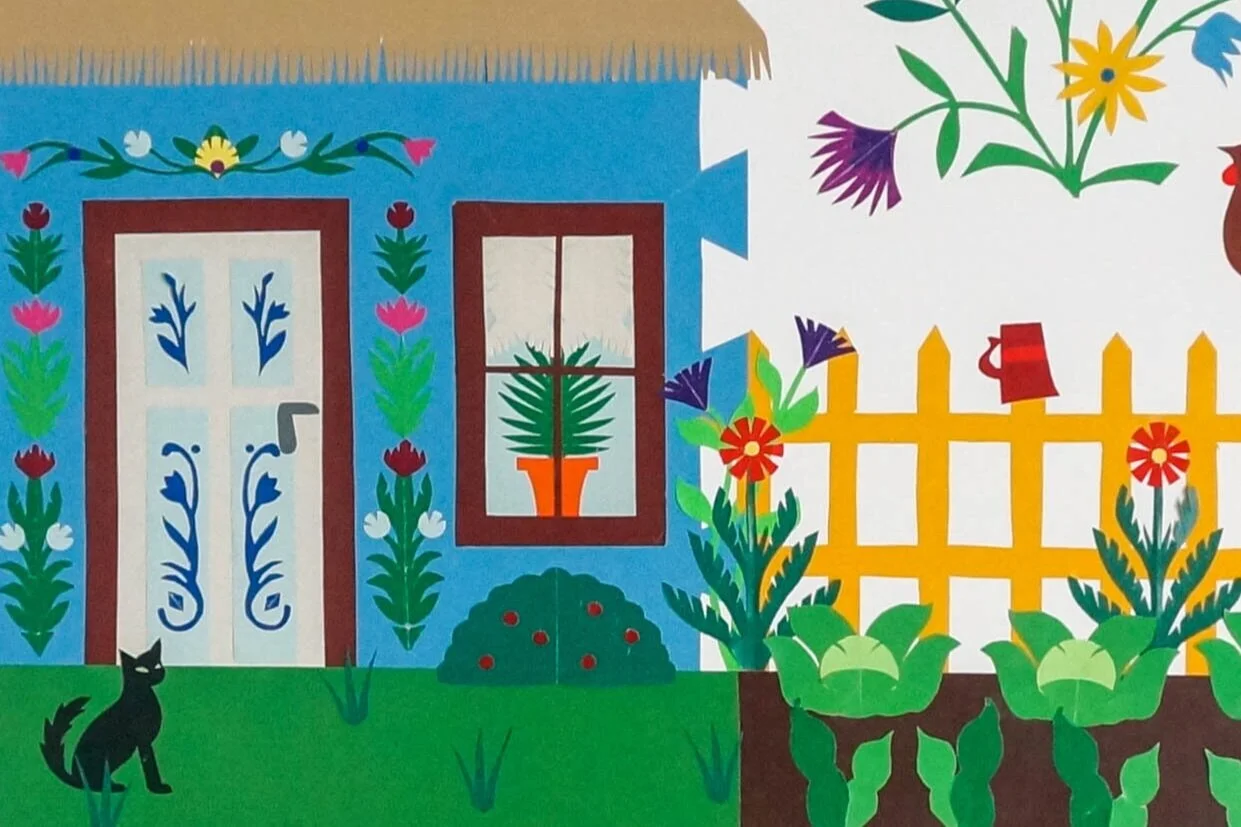
Wycinanki (pronounced vee-chee-non-kee) is the Polish folk art of papercutting.
Wycinanki is a centuries-old art form, going back at least to the early 1800s. Polish peasants used heavy sheep shears to create gorgeous hand-cut decorations to liven up the white walls of their homes. Depicted in these artworks were images of their daily lives. Common motifs are birds, flowers, trees, stars, and scenes of farm life and cultural ceremonies.
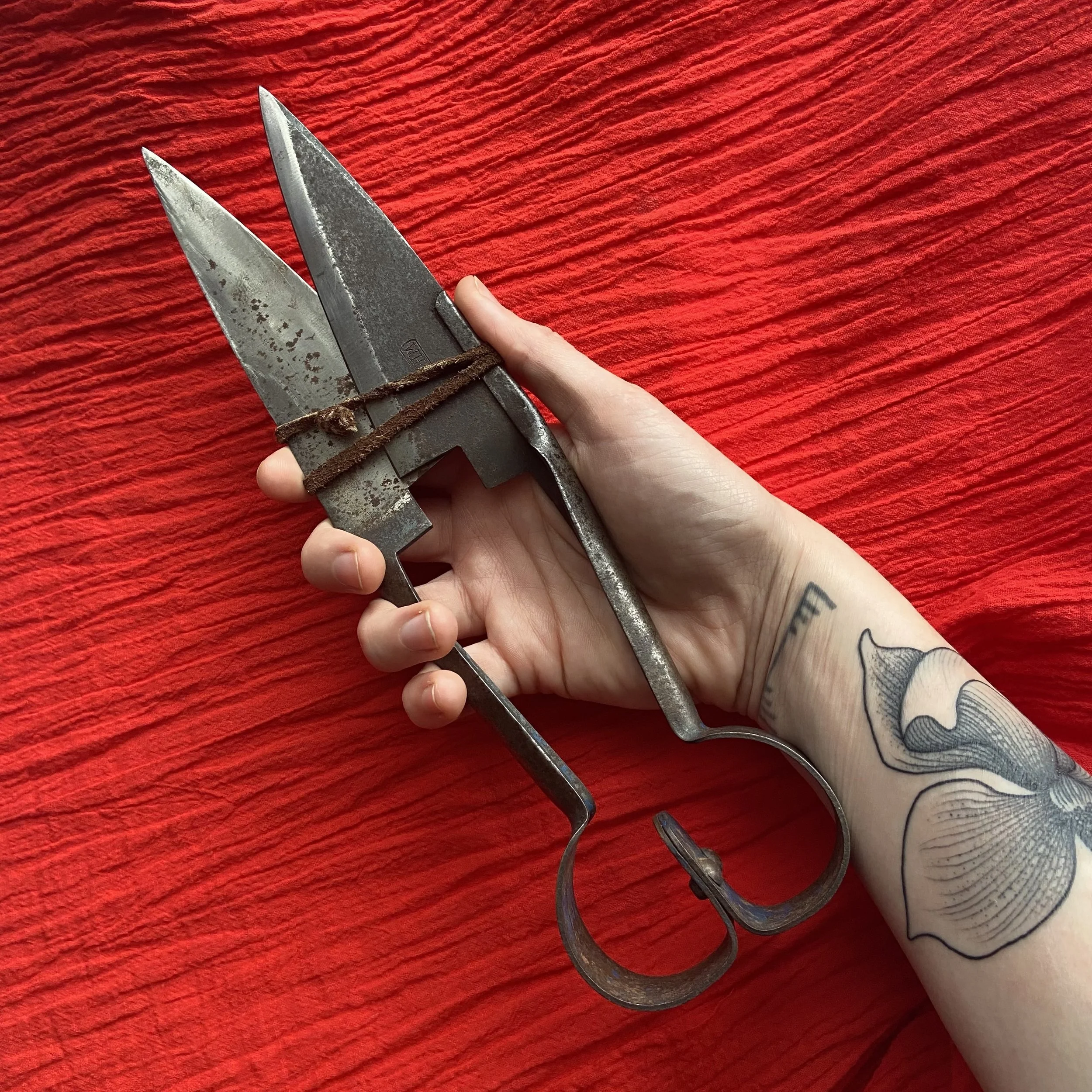
It is traditionally made with sheep shears and grasping scissors (as opposed to the kind of scissors you operate with just a couple fingers). The cutting tool becomes an extension of one’s hand. Most other forms of traditional papercutting use tiny sewing-type scissors or stamps to create cuts, and most modern techniques use a knife, so wycinanki is unique in its use of larger shears to create intricate designs.
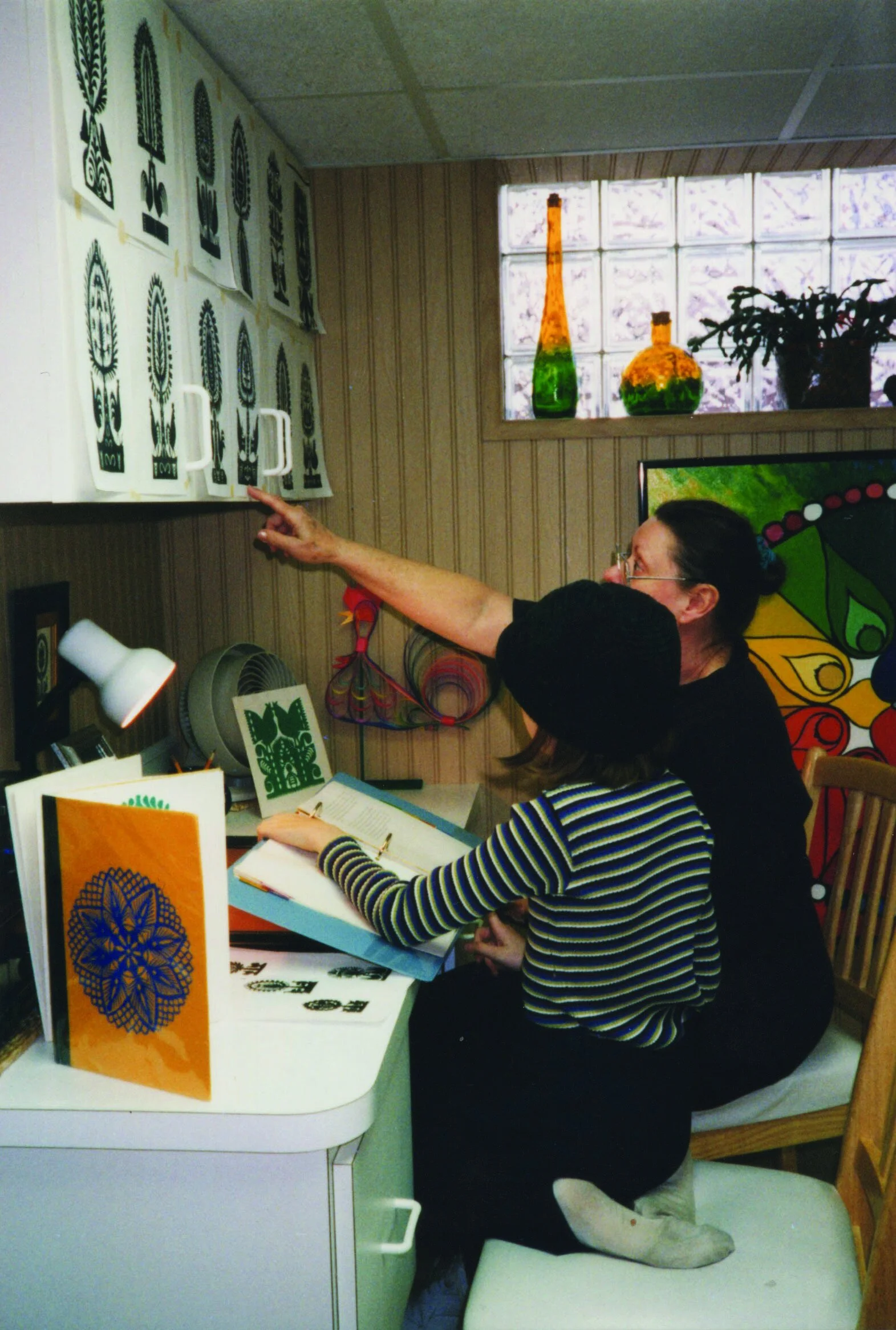
Sam Wróbel is a folk artist based in Lafayette, LA.
His work has been in Traditions to Transition (solo exhibition, 2021, Lafayette, LA) as well as numerous group exhibitions around the U.S., including Olive Hyde Gallery in Fremont, CA and Highfield Hall in Falmouth, MA.
Wróbel was juried in the Illinois Arts Council in 1998 at age 12 for his work in papercutting. He received instruction in wycinanki from Doris Sikorsky through two master/apprentice grants in ethnic arts from the IL Arts Council. He is an active member of the Guild of American Papercutters, as well as Lafayette-based art collectives Loudhouse, and Archives Exhibitions.